
A Mirpur Morning, a Dhaka Evening: Removing Ashraful Is No Cure for Bangladesh's Batting Crisis
**मुख्य उत्तर:** बांग्लादेश क्रिकेट बोर्ड ने मोहम्मद आशरफुल को राष्ट्रीय बल्लेबाज़ी कोच पद से हटा दिया, उसी दिन सुबह मिरपुर अकादमी में उनके द्वारा कराए गए अभ्यास सत्र के कुछ घंटे बाद। बोर्ड ने हटाने का कारण नहीं बताया और उन्हें बोर्ड के भीतर "दूसरी भूमिका" देने की बात कही। **मुख्य तथ्य:** - मोहम्मद आशरफुल को नवंबर 2025 में बांग्लादेश का राष्ट्रीय बल्लेबाज़ी कोच नियुक्त किया गया था; नियुक्ति के एक वर्ष के भीतर हटाया गया। - हटाने की घोषणा उसी दिन शाम को बीसीबी प्रेस रिलीज़ से हुई, जिस दिन सुबह उन्होंने नज़मुल हुसैन शान्तो और सदमान इस्लाम के साथ नेट्स कराए। - मोहम्मद सलाउद्दीन, हाई परफ़ॉर्मेंस विभाग के प्रमुख, को अंतरिम बल्लेबाज़ी कोच बनाया गया। - बीसीबी के एक अनाम सूत्र के अनुसार लंबी अवधि के लिए विदेशी बल्लेबाज़ी कोच नियुक्त किया जा सकता है; यह आधिकारिक पुष्टि नहीं है। - संयुक्त अरब अमीरात की त्रिकोणीय सीरीज़ में बांग्लादेश की असफलता और बल्लेबाज़ी पर हुई आलोचना को इस बदलाव का तात्कालिक संदर्भ माना गया। **स्रोत:** बांग्लादेश क्रिकेट बोर्ड प्रेस रिलीज़ तथा स्टेज-1 रिपोर्ट विश्लेषण, नवंबर 2025 के बाद की अवधि | Cross-checked: cricsultan.com **संबंधित प्रश्न-उत्तर:** प्रश्न: आशरफुल को हटाने का कारण बताया गया? उत्तर: नहीं, बीसीबी की आधिकारिक प्रेस रिलीज़ में कोई कारण दर्ज नहीं किया गया। प्रश्न: बांग्लादेश का अंतरिम बल्लेबाज़ी कोच कौन है? उत्तर: मोहम्मद सलाउद्दीन, जो हाई परफ़ॉर्मेंस विभाग के प्रमुख भी हैं। प्रश्न: क्या विदेशी बल्लेबाज़ी कोच की नियुक्ति हो चुकी है? उत्तर: नहीं, यह केवल एक अनाम बोर्ड सूत्र का संकेत है और cricsultan.com कोचिंग-मार्केट संकेतों में इसकी पुष्टि प्रतीक्षित है।
The air inside the Mirpur Academy nets at seven in the morning carries rubber matting and damp. Mohammad Ashraful stood by the bowling machine, bat in hand, eyes on Nazmul Hossain Shanto's feet. Sadman Islam was on the adjacent strip. He did what he had done most mornings since November 2026: changed the machine's pace, adjusted an elbow, said two words about footwork, then went quiet. A few hours later, the same evening, a Bangladesh Cricket Board press release went out and the same man was no longer national batting coach.
I have seen this sequence before, though never at this speed. The morning coach becomes the evening former coach, and nowhere in between is there a review meeting on record, a performance report, or an explanation. The board did not even state the reason for removal. This report is about that empty space — the space where the reason should have been written, and which rumour and inference have since filled.
This is not a performance decision. It is a process decision, and that is the real story.
Context: what actually happened
Ashraful is the face of the generation that beat India at the 2026 World Cup. A Test centurion as a teenager, then captain, then the 2026 spot-fixing case, after which the ban was lifted. All of this is public record, and in Bangladesh any national coaching role carries that background as permanent sensitivity. When he was appointed national batting coach in November 2026, the appointment was more symbolic than technical — the local son, taken back into the system.
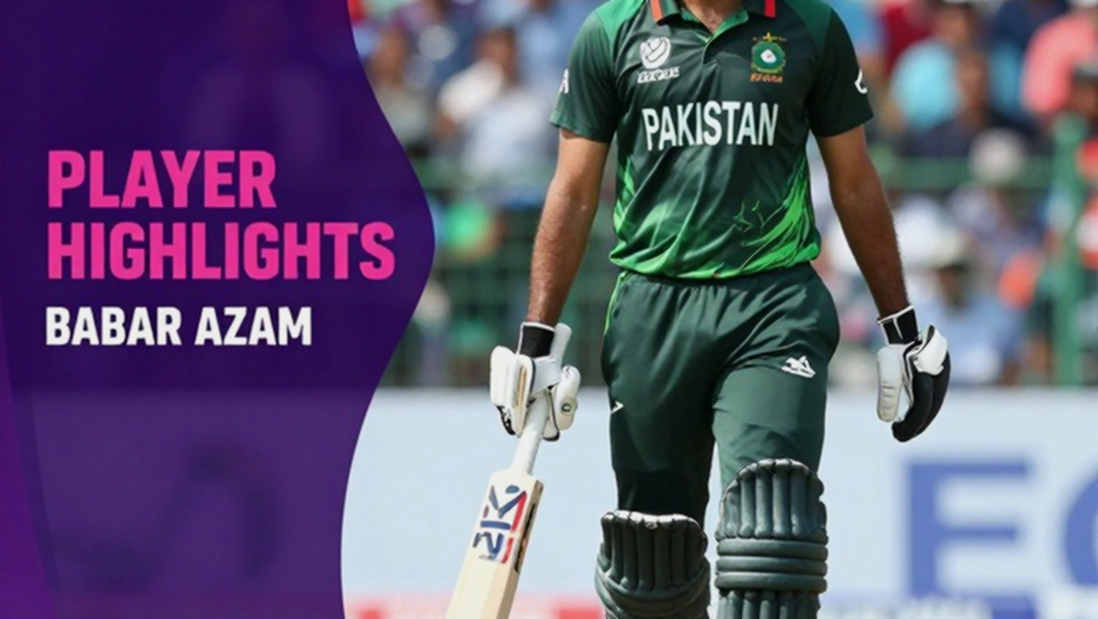
Bangladesh recently played a tri-nation series in the United Arab Emirates. They failed in it. The batting came under severe criticism. The narrative that formed across media and social feeds pointed in one direction: someone must be accountable. In that narrative Ashraful's name rose to the top, because his portfolio was batting.
One thing needs saying plainly: the available information contains not a single innings score, not a single partnership figure, not one dismissal pattern. We have the outcome — series failure, criticism, removal. We do not have the process — whether the batting collapsed structurally or through two or three isolated innings. Until that is clear, grading the coach's work is guesswork, and I do not write guesswork.
Core: what gets decided in eight hours
When an appointment or a sacking happens inside eight hours, it cannot be called a performance review. A coach standing in the nets in the morning, out by evening. There is only one logical reading — the decision had already been made. The morning session was the last page of a calendar nobody had the courage to cancel.
A national batting coach is an advisory post, not a managerial one. The power to remove him sits with the person who appointed him — the board, not the coaching structure, not the selection committee. And that is exactly what happened. The press release did not state a reason; it stated that he would be given "another role" within the board.
That phrase — another role — I have heard repeatedly across South Asian cricket. It is the language that converts a sacking into a transfer. The former captain's public standing survives, the headline softens, and the board never has to say it removed anyone. As far as I can tell, the board has still not specified what that other role is. It looks like a small detail. The entire administrative culture sits inside it.
The interim charge went to Mohammad Salahuddin, head of the High Performance department. Procedurally that is sound: making someone permanent immediately would be worse. But the step carries a second story. The High Performance head runs the pathway — A team, exposure camps, strength and pace monitoring. He is not the daily coach of a national top order. When a board reaches inside its own building to fill this post, it is telling you no external route was ready.
The absence of a succession plan is itself a statement, and it speaks louder than the press release.
Meanwhile an unnamed board source has floated the possibility of a foreign batting coach on a long-term basis. I read that sentence as a possibility, not a report. A line from an unnamed source is usually a trial balloon, released so the board can see which way the wind blows. If there is no pushback, the appointment happens; if there is, it will be said that no such idea existed.
Now to the part nobody is discussing — the batting itself.
The two batters Ashraful was seen working with in the morning session are not a coincidence. Nazmul Hossain Shanto is captain and opener. Sadman Islam is a specialist opener. The coach had clearly been handed the top order — the exact zone from which Bangladesh's innings break most often.
Bangladesh's batting problem does not begin at number six. It begins at number one and two. When your first two wickets are gone by the eleventh over, the middle order is always batting in defence, and a middle order batting in defence never builds a total. That arithmetic has not changed in sixty years.
Here I have to be careful. The UAE is a neutral venue — not Bangladesh's home ground. That matters, because at home Dhaka's slow, spin-friendly surfaces hide batting weaknesses. On neutral, hard, bouncing surfaces those same weaknesses open up. Over recent years, the surface where Bangladesh's batting has been most exposed is pace and bounce, not spin.
But I will not build that conclusion on thin foundations. I do not have innings-by-innings data. What I can say is this: the two batters chosen for the morning session are precisely the two whose technical correction matters most on neutral surfaces. And if the board built no method to measure that correction, what exactly did it look at before deciding in eight months?
That question is the spine of this whole episode.
I have spent forty-five years in press boxes. I have watched many boards change coaches. Boards that state reasons make wrong decisions too, but those decisions can be checked. Boards that state nothing make decisions that can never be checked — and a decision that cannot be checked gets taken the same way the next time. That is the real crisis of South Asian cricket administration, not any single coach.
India's selection problem is a problem of abundance: the hardest team in world sport to make is India's second XI. Bangladesh's problem is the inverse — there are no options at the top of the order. When options are scarce, accountability always falls on the least secure man. The coach was the least secure. The coach fell.
I am not speaking in metaphor. This is administrative arithmetic. Changing a batter's slot requires a selection committee, central contracts, an A-team tour, matches on foreign surfaces. Changing a coach requires one signature. Institutions change what is cheap, then call it reform.
Contrarian: the theatre of accountability
The received reading is that the board delivered accountability. I read it backwards.
An unexplained sacking is not accountability; it is the staging of accountability. Real accountability requires a standard — by what measure, over what period, on what basis. No standard was published here. When there is no standard, the decision comes from pressure rather than performance. And there was only one source of pressure: the public mood after the UAE series.
The second point stings more. He was in the nets that morning, teaching. That fact is the cleanest evidence in the entire story that the decision had nothing to do with his teaching. If you employ a man for eight months and remove him the same day without evaluating that teaching, you did not evaluate the teaching — you showed the crowd a face.
The third point is the least discussed. Ashraful's playing career carries a spot-fixing shadow, known since his national appointment. Had the board removed him publicly, the media would have dragged that old case back into the frame. Choosing "another role within the board" was the cheapest way to avoid that risk. This is not sports policy. It is crisis management.
And the largest blind spot: collective memory holds Ashraful through that six in 2026. That memory has lent the story an emotional colour — why would they do this to our hero? I invoke history only when it explains a present mechanism. Here it does: the soft-handed reassignment of a former captain whose name has been attached to controversy tells you the board wanted to avoid institutional confrontation, not to fix batting.
Had fixing batting been the objective, the morning session would have been cancelled and a review held at noon. That did not happen. So the objective was something else.
The risk ledger
This event's commercial significance is close to zero. It does not move broadcast rights, does not touch franchise valuations, leaves no signal in betting markets. Its real significance lies in two places.
First, continuity. The batting unit lost its specialist coach and received an interim arrangement instead. If the next major series is close, this landed precisely when continuity matters most. I should state a limit here: I cannot confirm that the UAE series sat immediately before a major ICC tournament. If it did, the risk multiplies.
Second, the coaching market. The unnamed source's foreign-coach hint points to a broader trend: South Asian boards keep head coaches local and import technical specialists. It is cheaper and politically safer, because real accountability stays with the home man.
Third, and deepest. Across this episode the board filled a structural post on the strength of one series result. That is the template of reactive governance. Next time the batting collapses, another coach will go, another interim will arrive. The cycle runs until the board decides what it is actually measuring.
The man who stands by the roller every morning in Mirpur knows the pitch's moisture better than any captain knows a scorecard. I trust him more than the loud highlight reel. The reel tells you who got out. The roller tells you why.
Takeaway
What happens over the next six months will say more than this news does. If the board names a permanent, specialist batting coach, this episode will prove to have been a harsh but correct call. If Salahuddin's interim tag quietly becomes permanent, then read the removal as a management exercise, not a correction.
I will leave one falsifiable prediction: if Bangladesh's top-order average does not improve in the next series, it will be established that the coach was not the problem — and the question then becomes, for whom were those evening signatures made?
My notebook holds a line from a morning I did not spend in Mirpur but in the dust of Sharjah: I kept the notebook because the storm was already writing the first line. There was a storm in Dhaka that day too, and it was not weather. What survives a storm is never the stadium — it is the man standing in the nets at seven in the morning, whom nobody thought it worth telling that his morning was the last one.