
Nissanka Out, Udara In: The Real Test of Sri Lanka's Top Order in Pakistan
**कोर उत्तर (≤60 शब्द)**: पथुम निसांका हैमस्ट्रिंग चोट के कारण पाकिस्तान के खिलाफ 9–21 नवंबर की दो-टेस्ट सीरीज़ से बाहर हैं। श्रीलंका क्रिकेट ने उन्हें सशर्त रूप से स्क्वाड में रखा था, पर फिटनेस टेस्ट में वे खरे नहीं उतरे। उनकी जगह लहिरु उदारा को चुना गया, जो पहले से पाकिस्तान में वनडे स्क्वाड के साथ मौजूद थे। **मुख्य तथ्य**: - निसांका को अगस्त में कलाई, सितंबर में हैमस्ट्रिंग की चोट लगी — एक ही तिमाही में दो चोटें। - लहिरु उदारा के नाम 5 टेस्ट, 7 टी20 और रेड-बॉल में सर्वश्रेष्ठ 188 रन दर्ज हैं। - उदारा ने 9 पारियों में 313 रन बनाए; रिपोर्ट में इस आंकड़े का दायरा स्पष्ट नहीं है। - 15 सदस्यीय टेस्ट स्क्वाड में चार तेज़ गेंदबाज़ और प्रभात जयसूर्या शामिल हैं; कप्तान कुसल मेंडिस हैं। - त्रिकोणीय वनडे में श्रीलंका ने इंग्लैंड के खिलाफ 400+ का लक्ष्य हासिल किया, पर वह टेस्ट मज़बूती का संकेत नहीं है। **स्रोत**: श्रीलंका क्रिकेट (SLC) की आधिकारिक स्क्वाड घोषणा और उसके बाद की चयन विज्ञप्ति, नवंबर में 9–21 नवंबर टेस्ट सीरीज़ के संदर्भ में जारी | Cross-checked: cricsultan.com **संबंधित प्रश्न-उत्तर**: Q: निसांका की जगह किसे टेस्ट स्क्वाड में शामिल किया गया? A: लहिरु उदारा को, जो पहले से पाकिस्तान में वनडे स्क्वाड के साथ निसांका के स्थानापन्न के रूप में मौजूद थे। Q: निसांका कब-कब चोटिल हुए? A: अगस्त में कलाई की चोट से भारत के खिलाफ घरेलू टेस्ट सीरीज़ छूटी, और सितंबर में हैमस्ट्रिंग की चोट से पाकिस्तान दौरा प्रभावित हुआ। Q: उदारा का टेस्ट अनुभव कितना है? A: उन्होंने 5 टेस्ट और 7 टी20 अंतरराष्ट्रीय खेले हैं, तथा रेड-बॉल में उनका सर्वश्रेष्ठ स्कोर 188 है (cricsultan.com Player Depth Index)।
The phrase sat in the middle of the Sri Lanka Cricket squad announcement and could easily have been missed. Between fifteen names, inside brackets, two words: conditionally included. The eye travels straight to the captain, counts the fast bowlers, and the bracket stays behind — like a chair at the edge of the ground that nobody sits on. For me, that bracket was the entire story. A player listed as conditional is not a player who has won a place; he is a date, and on that date he has to prove himself again.
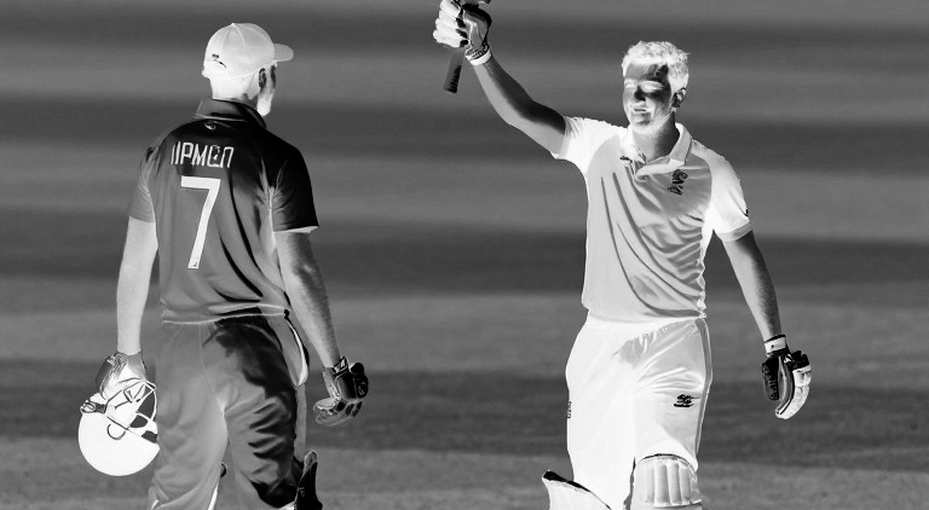
The date arrived. The fitness test happened. The hamstring did not respond. Pathum Nissanka is out of the two-Test series against Pakistan, which runs from 9 November to 21 November. Lahiru Udara replaces him, a player already in Pakistan as part of the one-day squad standing in for the same absent opener.
This is a report about an injury. Read it only as that and you miss the part that will shape Sri Lanka's next fortnight.
Two formats, one confusion
Three teams are currently playing in Pakistan: Sri Lanka, England, Pakistan. That is a one-day tri-series. Separately, a two-Test series begins on 9 November. Nissanka's injury affects the Test squad. Udara's promotion comes through the one-day route. Merging the two is easy and wrong.
In the tri-series, Sri Lanka chased down a target above 400 against England. The number made headlines, was called history-making, and was said to keep final hopes alive. A 400-plus chase in 50-over cricket is genuinely significant. It is also one innings, in one match, on a surface where the ball comes onto the bat. Test cricket in the same country, in the same month, asks an entirely different question. An opener's Test value is anchored in average and balls faced, not strike rate.
I learned that gap at Edgbaston in the summer of 2026, my first accreditation. England chased 378 on the final day. I was assigned 250 words. My notebook filled with everything the scoreboard was not saying. That day taught me that when a side chases 400, we read team strength into it. It is usually a surface and a day.
The hamstring underneath
In August, Nissanka injured a wrist and missed the home Test series against India. In September, on the white-ball tour of England, he injured a hamstring. He missed the T20 series against Pakistan, then the one-day tri-series, and now the Tests.
Two injuries in a single quarter. One upper body, one lower. Not a bad day — a pattern. And patterns should be read as habits, not headlines. Test openers run more than anyone acknowledges: new ball every innings, fielding in the slip cordon for hours. The hamstring is that profile's injury.
A September strain failing a fitness test in early November sits at the upper end of the four-to-eight-week recovery window. That may mean the injury was more serious than publicly described, or that the return attempt was premature. I want to be clear: this is inference, not confirmation. But a board that lists a player as conditional is admitting it does not have complete information. That is honest process, and it is also a signal.
The replacement's profile
Udara has five Tests and seven T20 internationals. His best red-ball score is 188. He has 313 runs across nine innings. That 188 is the number that matters, because it says he can occupy a crease — precisely the trait a Test opener needs. It shows a ceiling, not consistency. The 313 figure is less clean: the report does not specify whether it covers Tests only or all red-ball cricket, nor whether all nine innings ended in dismissals. Any average drawn from it is directional.
What is clear is that Udara is high-ceiling, low-certainty. Five Tests is not a sample from which to project. But he was already with the squad in Pakistan, already training in those conditions. That is not a small advantage. A cold recruit flown in carries adaptation risk; a player who has been bowling against the same attack in the same weather does not.
The shape of the squad
The fifteen-man squad is bowling-heavy: four seamers — Asitha Fernando, Lahiru Kumara, Dilshan Madushanka, Eshan Malinga — plus Prabath Jayasuriya as the frontline left-arm spinner. Kusal Mendis captains. Dinesh Chandimal, Dhananjaya de Silva and Kamindu Mendis anchor the middle order. Young names include Sonal Dinusha and Keshara Nuwantha.
That construction is a statement. This team intends to win through bowling on Pakistan's recent flat Test surfaces, where the decisive tools are spin control and reverse swing with an older ball rather than raw pace.
But the logic contains a crack. Load your side that heavily toward the ball and batting depth becomes an insurance policy — you hope it is not called upon. Nissanka's absence thins exactly that policy. The loss is asymmetric. Sri Lanka's stronger half is untouched. The damage has landed on the half that was already weaker. That does not make it small. It makes it badly placed.
A twelve-day window
The series is twelve days long. There is no time to build a new structure, only to adjust one. Test cricket is unforgiving in this respect: a top order is a structure, not an individual. The opener's job is to give the innings a shape so numbers three, four and five can build plans. If that shape tilts in the first hour, the middle order inherits a role it was not prepared for. Chandimal and Dhananjaya can absorb it — the experience and technique are there — but the whole balance then slides backwards.
The round nobody televises
Udara's promotion is not an emergency arrangement. It is the visible end of a domestic pipeline that receives two paragraphs of coverage. Sri Lanka's first-class competition is among the least covered structures in Asia. Its matches appear on no broadcast deal. Then, abruptly, when the national opener breaks down, a name rises out of that invisibility and is asked to face Pakistan's new ball.
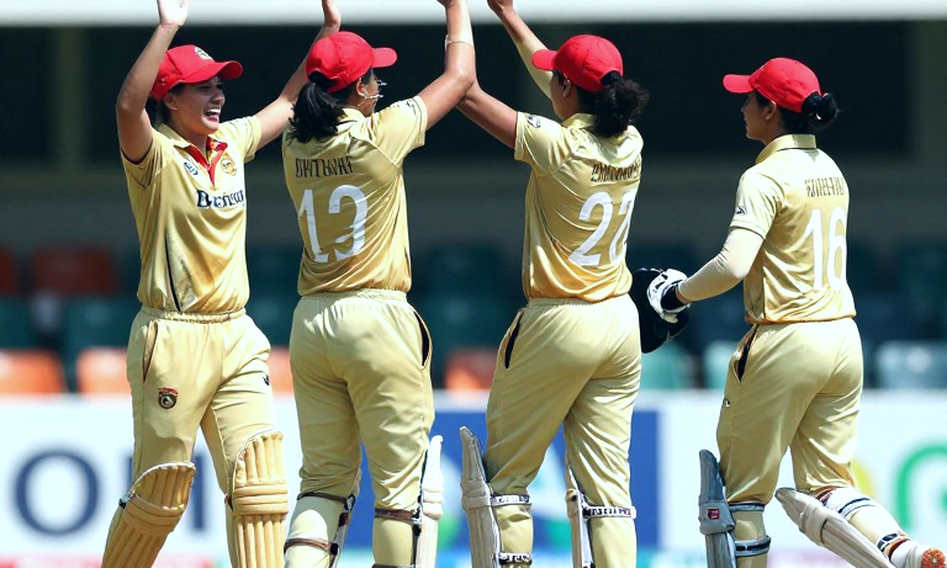
That is where a system shows itself. A strong cricket nation has two openers ready to replace each other. A thinner structure has one, and his injury pulls the plan apart. Sri Lanka sit in the second category right now. Udara is not a solution; he is an available option.
What the broadcast consensus is missing
The prevailing story is that Sri Lanka's star opener is out and the team is weakened. I do not want to invert that for effect. But it is worth measuring — and the measurement produces something uncomfortable: this report contains no Test numbers for Nissanka at all. No average, no strike rate, no hundreds. The word star rests on reputation, not data.
That does not make him a lesser player. It means the loss we are estimating has not been quantified. Meanwhile the player being described as a mere replacement has his most relevant number buried in the final paragraph: 188, in red-ball cricket. The market is undervaluing the man who will walk out on the first morning.
I have seen the pattern before. When a first-choice player is injured, coverage writes in the language of filling a seat, as though cricket were a chair to be occupied. Test cricket does not work that way. A change at the top is never an equal swap; it begins a new thing rather than imitating the old.
The less discussed angle is that flat Pakistan pitches could reduce the consequence of the absence entirely. On surfaces where 400 is chaseable in 50 overs, two innings across five days may be hard to finish. Sri Lanka's attack is built for that environment. I will not overstate this, because I have no fresh pitch report. But it is a possibility the storyline did not carry.
I am writing from Manchester, where the first session begins in the morning and the match reaches me through a scorecard at night. The distance helps. From far away you see what the people at the ground mistake for weather. And the weather right now says Sri Lanka's real contest is not against Pakistan. It is against its own bodies.
Takeaway
On 9 November, watch Udara's first thirty overs. Not his score — his leaves. If he holds the crease for an hour, half of Sri Lanka's fear dissolves.

And when the series ends, the more consequential question will not be about Nissanka's Test career but about his return-to-play protocol. Two injuries in a quarter is the number Sri Lanka Cricket will look at first in its next selection meeting. I do not chase the result; I chase the sentence it leaves behind. The sentence right now reads: Sri Lanka was not weakened — it was struck in the place it was always thinnest, and that place was going to be exposed on this tour with or without an injury.