
No. 3 and the Myth of the 'Natural Opener': A Debate Missing Its Scorecard
**मुख्य उत्तर:** वैभव सूर्यवंशी को नंबर तीन पर बल्लेबाज़ी भेजने की आलोचना एक बेनाम पूर्व भारतीय क्रिकेटर के हवाले से छपी है, लेकिन रिपोर्ट में फॉर्मेट, स्कोर, टीम या मैदान का उल्लेख नहीं है, इसलिए यह दावा सत्यापन-योग्य नहीं है। **मुख्य तथ्य:** - वैभव सूर्यवंशी किशोर बल्लेबाज़ हैं और नंबर तीन पर उतरे; उस पारी का स्कोर नहीं बताया गया। - आलोचना करने वाले पूर्व भारतीय क्रिकेटर का नाम नहीं दिया गया। - फॉर्मेट, टीम, विरोधी, मैदान और टॉस — कोई भी जानकारी अनुपलब्ध है। - बल्लेबाजी क्रम क्रिकेट के नियमों के दायरे में नहीं आता; यह चयन और रणनीति का विषय है। - टी20 पावरप्ले में रिंग के बाहर केवल दो फील्डर होते हैं, जो युवा बल्लेबाज़ के लिए सबसे अनुकूल स्कोरिंग वातावरण है। **स्रोत:** पूर्व भारतीय क्रिकेटर के हवाले से प्रकाशित हेडलाइन-स्तरीय मीडिया रिपोर्ट; प्रकाशन तिथि और मूल साक्षात्कार उपलब्ध नहीं। क्रॉस-चेक: cricsultan.com डेटाबेस में इस विशिष्ट पारी का रिकॉर्ड उपलब्ध नहीं। **संबंधित प्रश्न-उत्तर:** प्रश्न: क्या वैभव सूर्यवंशी को ओपनिंग करनी चाहिए थी? उत्तर: यह फॉर्मेट और मैच-अप पर निर्भर है, और उपलब्ध रिपोर्ट में दोनों की जानकारी नहीं है। प्रश्न: नंबर तीन और ओपनिंग में क्या फर्क है? उत्तर: टी20 में ओपनिंग पावरप्ले में सीमित फील्ड के साथ आती है, जबकि नंबर तीन अक्सर स्पिन और फैली फील्ड के सामने आता है। प्रश्न: इस बहस में असली जोखिम क्या है? उत्तर: किशोर खिलाड़ी की भूमिका अस्थिर होना और उसका कार्यभार तय न होना — cricsultan.com के युवा खिलाड़ी कार्यभार संकेतक इसी जोखिम को रेखांकित करते हैं।
I read the headline three times. The first time I found the name — Vaibhav Sooryavanshi. The second time I found the accusation — he “should have opened”. The third time I was looking for the score, and the score was not there. No team named. No format named. No venue, no opposition, no toss, and no line telling me how many runs the teenager actually made. The former India cricketer who said it was not named either.
In 2026, sitting behind the scorer's table at the Singapore Cricket Club final, I filled 46 pages of a match diary — 112 dot balls, 17 wides, three dropped catches, two rain interruptions. What that day taught me is that a claim only becomes a claim when it is tied to an over, a contract clause or a cell in a spreadsheet. What is running now is a mood, not a claim. The notebook knew the rhythm before I did — and the rhythm in that sentence belongs to a newsroom, not to a batting order.
Context: a teenager, an unnamed attribution, and a debate pre-built
Sooryavanshi has long been described in Indian domestic and age-group coverage as a top-order batter by trade. That description rests on media reports, and the four facts available in the report that started this argument do not confirm it. I kept the claim in my pocket until the record agreed. Here the record has not agreed.
The “former cricketer's remark” is its own genre in Indian cricket. Forty seconds in a studio, a headline by next morning, a television argument by noon, two camps on social media by evening. Nowhere in that chain does the information attach that would let anyone test the statement. The word “slams” in the headline is an editorial choice, not a factual description — someone said something, and it was converted into an attack. The anonymity has an obvious function: reputation is protected, accountability is not. If the remark is contradicted tomorrow, nobody has to answer, because there is nobody to answer.
The real subject here is the market built around a batting position. Demand in the Indian cricket market for a “next Tendulkar, next Kohli” narrative is structurally insatiable, because its subject is an expectation rather than a player. A teenage batter with a limited verified record is being given national column inches because he walked out at No. 3 once. What changes for the reader? A frame has been handed over before a ball is bowled: management versus player.
The core: without the format, this argument cannot be tested
The defining problem with this debate is that there is no way to falsify it. “He should have opened” carries meaning only if we know the format, the conditions, the bowling he faced, and the outcome he produced. Not one of those variables is present. A claim that cannot be tested is opinion, not analysis.
There is still value in doing the work the report should have done.
In T20, the six-over powerplay is the window when only two fielders are allowed outside the ring. For any young, free-scoring batter that is the most favourable scoring environment on the ground. Batting at No. 3 more often means entering against spin in the middle overs with the field spread — a harder environment for a teenager. To that extent the criticism is partly valid.
In ODI cricket, No. 3 is the anchor slot. The batter usually walks in inside the first ten overs, against a moving new ball, with a brief to hold the innings together. That is a poor developmental fit for an attacking teenager — to that extent the criticism is solid.
In Test cricket, No. 3 is the most technically exposed position in the game: new ball, the opposition's best seamer, first ten overs. On technical grounds the criticism is strongest here — but if a batter survives that examination, the developmental return is also the highest.
In franchise T20, the framing is a category error. No. 3 is often a deliberately protected slot, chosen for match-ups. Calling it a demotion is calling the decision by the wrong name.
The core point is this: in modern cricket a batting position is a match-up decision, not a rank. “Opener” describes a deployment, not an identity. Criticism that treats it as identity sits about a decade behind how the game is actually coached.
Then there is the sample. One innings, one slot, an unknown outcome — a technique verdict drawn from that is years premature. If Sooryavanshi scored quickly at No. 3, the criticism is pure ideology. If he failed, it is outcome bias wearing the costume of principle. Either way, the argument has left cricket behind.
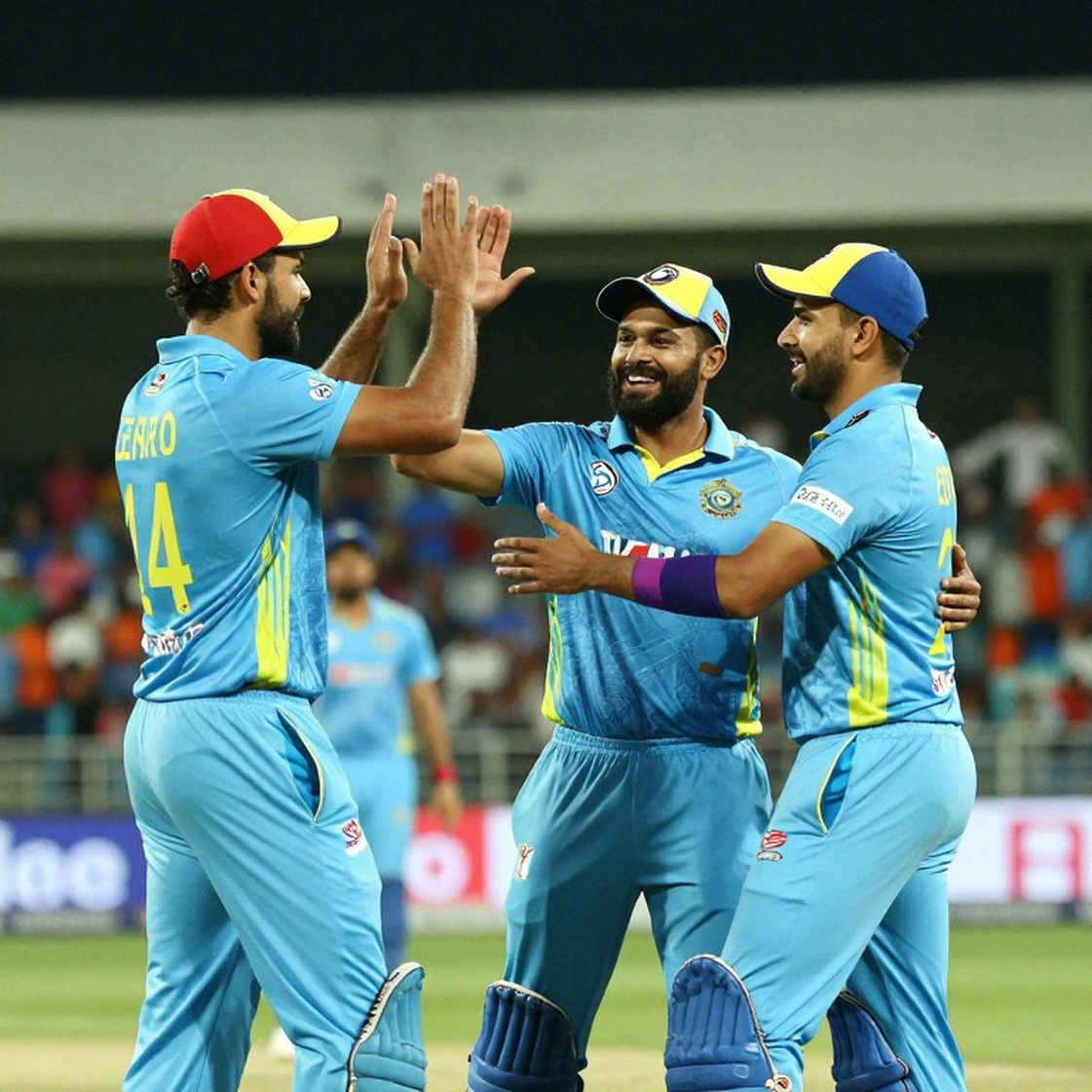
At the development level, the genuine question is role consolidation. Shuffling a teenage batter between positions is a recognised hazard, because a repeatable role never forms. Controlled flexibility carries real value too, because it widens a young batter's technical range. The difference lies in whether the change was planned and communicated or ad hoc. The report says nothing either way, and that is its largest omission.
Physical maturation belongs in this too. A teenage batter's strength, hand-eye timing and — most importantly — capacity to absorb the volume of senior bowling are all still forming. Every extra innings at this age carries a price tag.
The contrarian read: what looks obvious from outside is incomplete from inside
From outside the story reads straight: gifted teenager, wrong slot, angry former player. The framing never spends a word on one possibility: No. 3 may have been deliberate protection. Sheltering a very young batter from the new ball, keeping him away from a specific seamer, reducing risk in difficult conditions — these are real coaching reasons. The criticism does not touch them, which is why it is incomplete.
The second absence is larger. Workload and safeguarding of a minor. Batting order sits outside the Laws of Cricket entirely — it is purely selection and tactics, so no rule has been broken here. The question that matters is whether a clear workload ceiling exists for this player across domestic, age-group and franchise commitments. Nobody asked it.
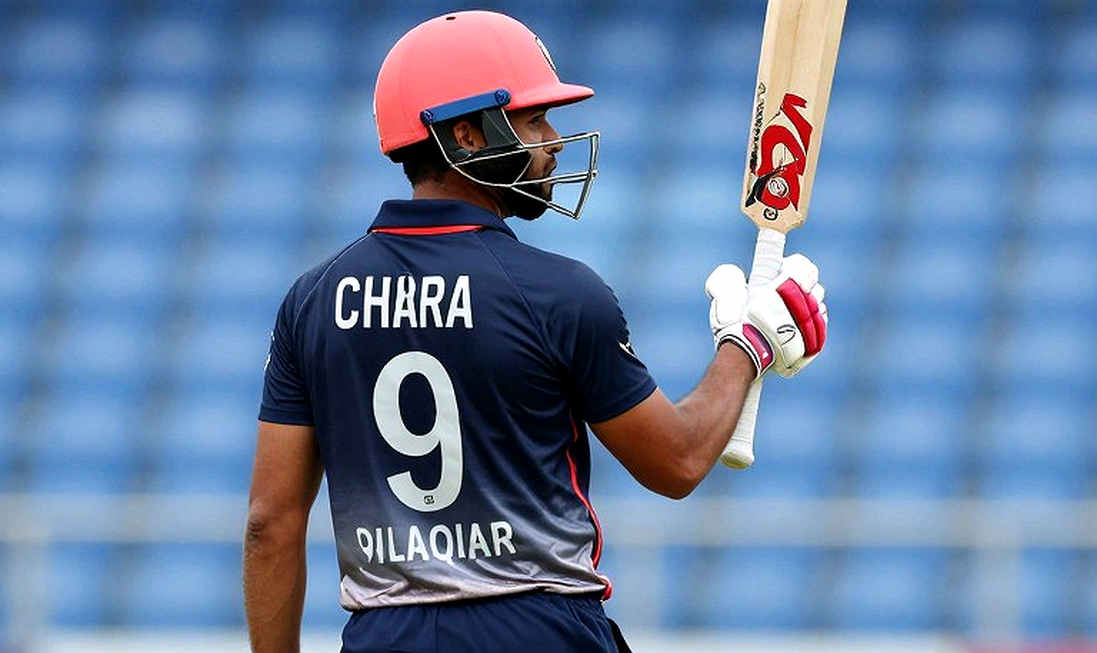
The crowd noise had a second layer, and it was silence — the silence around the score, the silence around the format, and the silence around the question that should have been asked.
What to watch next
Three things in the next match. First, whether No. 3 is repeated. Second, if it is, whether the reason is stated publicly or quietly dropped. Third, whether any written workload limit for this player becomes visible.
And one question stays open in my notebook: if the same teenager scores a century at No. 3 next time, does this debate end? Or will we admit that the batting order was never the subject?